The South African loan landscape or market is highly dynamic and robust. It offers a range of financial solutions to meet various citizens of South Africa’s needs. The South African loan landscape includes loan types that vary from personal loans to mortages, vehice finance to business funding and as you can see the options are plentiful. Understanding the terrain can be challenging especially with a constantly changing climate and economin culture of regularatory change.
Choosing the right loan is crucial for your financial well-being as personal loan rates and actual loan terms do differ. Many different personal loan lenders exist and the wrong decision can lead to unnecessary debt, high interest payments, and financial stress. On the other hand, the right loan can help you achieve your goals and assist with improvement projects whether it’s buying a home, starting a business, or funding your education. For this reason we suggest looking at personal loan alternatives as well and ensuring that you take into account the broad range of loan options.
This guide will assist in helping you to make the best decisions with regards to loans in South Africa.
What are the types the different types of loans?
- Personal loans
- Mortgage loans
- Auto loans
- Student loans
- Home equity loans
- Business loans
- Credit card loans
- Payday loans
- Debt consolidation loans
- Secured loans
- Unsecured loans
- Peer-to-peer loans
- Line of credit
- Construction loans
- Commercial real estate loans
- Emergency expense loans
- emergency loans
- improvement loans
- initial loan
Understanding Loans in South Africa
Definition and Basic Concepts
A loan is a sum of money borrowed from a financial institution or lender, which is repaid over time with interest. The principal is the original amount borrowed, while interest is the cost of borrowing, usually expressed as an annual percentage rate (APR).
Types of Loans Available in South Africa
- Personal Loans: Unsecured loans for various purposes
- Home Loans (Mortgages): For purchasing or refinancing property
- Vehicle Loans: For buying cars, motorcycles, or other vehicles
- Business Loans: To fund business operations or expansion
- Student Loans: For financing higher education
- Payday Loans: Short-term, high-interest loans for emergencies
- Secured Loans: Loans backed by collateral
- Unsecured Loans: Loans not backed by collateral
[code_snippet id=7 format]
Key Factors Influencing Loan Terms and Availability
- Credit Score: Your credit history and financial reliability
- Income and Employment Status: Your ability to repay the loan
- Debt-to-Income Ratio: The proportion of your income that goes towards debt repayment
- Loan Amount and Term: The size of the loan and repayment period
- Economic Conditions: Current interest rates and economic stability
- Regulatory Environment: Laws and regulations governing lending practices
Top Personal Loans in South Africa
Personal loans are versatile financial tools that can be used for various purposes, from consolidating debt to funding a wedding. Here’s a comparison of some leading banks and online lenders in South Africa:
FASTA Loans: Quick and Convenient Short-Term Financial Solutions
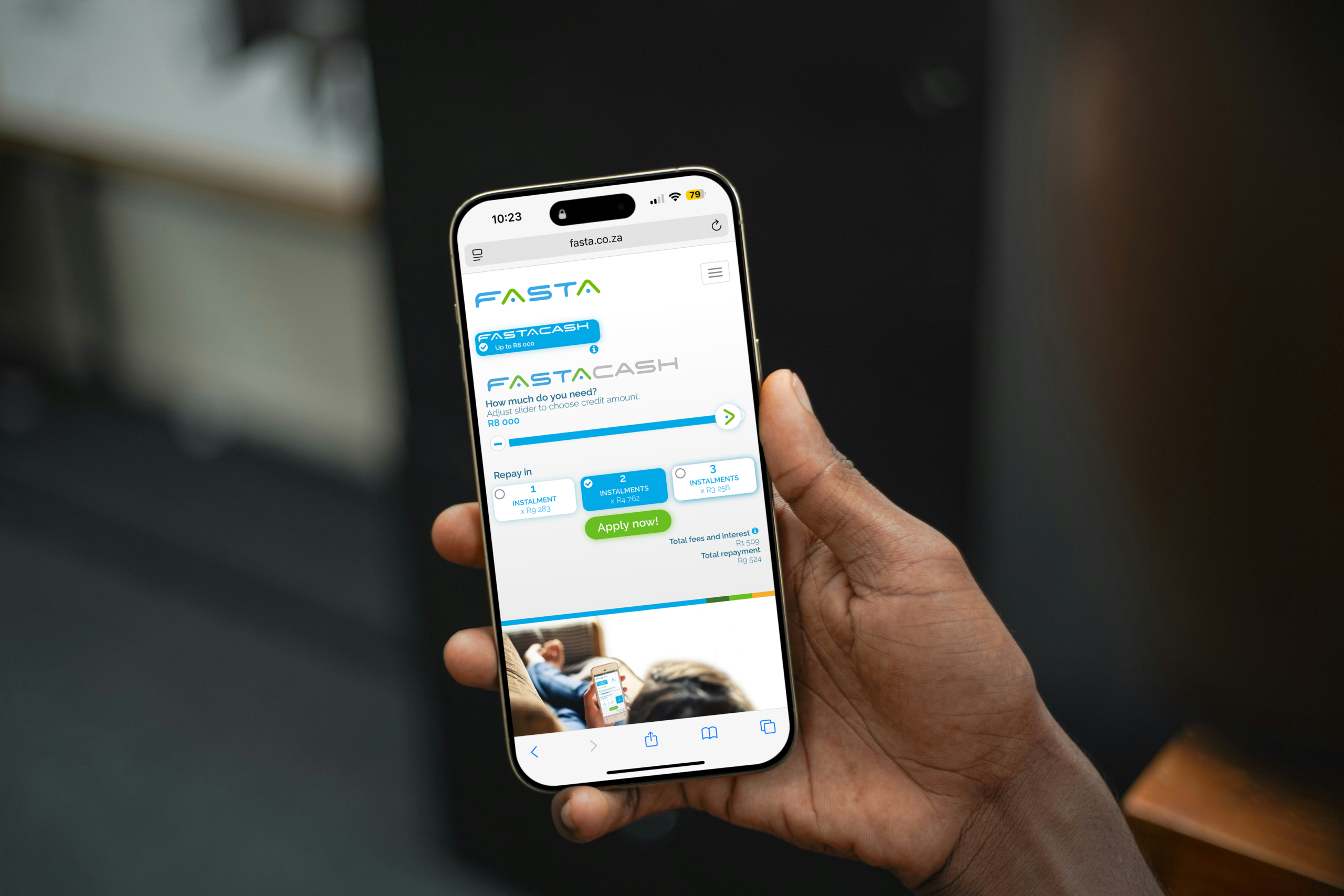
FASTA offers fast, short-term loans approved instantly and paid out in minutes. Designed for ease and speed, FASTA provides a simple online application process that lets you select your preferred loan amount using a slider, complete a quick application, and receive funds directly into your bank account.
How It Works:
Select Amount: Choose how much you need and for how long using the online slider.
Apply: Fill in your details quickly and accurately.
Verification: We perform credit checks and verify your details before making an offer.
Receive Funds: Accept the loan offer and sign the agreement to get your money.
Requirements:
Valid RSA ID Number
Be 18 years or older
Access to internet banking
Verifiable income for the last 90 days
[code_snippet id=7 format]
Why Choose FASTA?:
Speed: Get approved and funded in under 5 minutes.
Convenience: Easy online application with repayment terms up to 3 months.
Responsible Lending: Committed to responsible lending practices for your peace of mind.
Representative Example: Borrow R4,000 over 3 months at a 3% interest rate, with an initiation fee of R534 and a monthly service fee of R69. Total amount repayable: R4,952.
Customers rave about FASTA’s efficiency and reliability, making it a top choice for quick financial solutions.
Standard Bank
Interest Rates: From 12.5% to 24.5% per annum
Loan Amount: Up to R300,000
Loan Term: Up to 72 months
Pros: Competitive rates, flexible terms
Cons: Strict eligibility criteria often requiring an excellent credit score so be sure to meet the minimum credit score requirements.
You will need to produce bank statements.
Nedbank
Interest Rates: From 12.7% to 27.5% per annum
Loan Amount: Up to R300,000
Loan Term: Up to 60 months
Pros: Quick approval process, no early settlement fees
Cons: Higher interest rates for some applicants
African Bank
Interest Rates: From 15% to 27.5% per annum
Loan Amount: Up to R250,000
Loan Term: Up to 72 months
Pros: Loans available for blacklisted individuals, flexible terms
Cons: Higher interest rates compared to traditional banks
Offers a wide range of loans.
Offers a range of loan amounts
Larger loan amounts are available
Interest Rates: From 12.9% to 27.5% per annum
Loan Amount: Up to R250,000
Loan Term: Up to 84 months
Pros: Longer repayment terms, personalized interest rates
Cons: May require in-person application for larger loans
RCS
Interest Rates: From 15% to 27.5% per annum
Loan Amount: Up to R180,000
Loan Term: Up to 60 months
Pros: Quick online application, flexible loan use
Cons: Higher interest rates for some applicants
When choosing a personal loan, consider the interest rate, loan term, fees, and your ability to repay. Always read the fine print and understand all terms and conditions before signing any agreement.
Best Home Loans for South African Buyers
Overview of the Mortgage Market
The South African mortgage market is competitive, with various banks and financial institutions offering home loans. The market is influenced by factors such as the prime interest rate, property values, and economic conditions.
Top Providers and Their Offerings
- FNB
- Interest Rates: From prime -1% to prime +2%
- Loan Term: Up to 30 years
- Unique Features: Offers a “flexi option” allowing you to access additional funds
- Absa
- Interest Rates: From prime -1% to prime +2%
- Loan Term: Up to 30 years
- Unique Features: Offers 100% bonds to qualifying customers
- Nedbank
- Interest Rates: From prime -1% to prime +2%
- Loan Term: Up to 30 years
- Unique Features: Offers a “Home Vision” calculator to help plan your home purchase
- Standard Bank
- Interest Rates: From prime -1% to prime +2%
- Loan Term: Up to 30 years
- Unique Features: Offers a “PBB” (Professional and Business Banking) option for professionals
First-Time Homebuyer Programs
- Finance Linked Individual Subsidy Program (FLISP): A government subsidy for first-time homebuyers earning between R3,501 and R22,000 per month.
- FNB’s First-Time Buyer Bond: Offers up to 105% bond to cover transfer and bond registration costs.
- Absa’s Young Professionals Product: Tailored for young professionals, offering up to 105% home loan.
When applying for a home loan, consider factors such as the deposit required, interest rate, loan term, and additional costs like transfer duties and attorney fees.
Vehicle Finance: Finding the Best Auto Loans
Comparison of Car Loan Providers
WesBank
-
- Interest Rates: From prime to prime +3%
- Loan Term: Up to 72 months
- Unique Features: Offers balloon payment options
Standard Bank
-
- Interest Rates: From prime to prime +3%
- Loan Term: Up to 72 months
- Unique Features: Offers insurance and tracking device options
MFC (A division of Nedbank)
-
- Interest Rates: From prime to prime +3%
- Loan Term: Up to 72 months
- Unique Features: Offers a graduate finance option
New vs. Used Car Loan Options
New cars often come with lower interest rates and longer loan terms, while used car loans may have slightly higher rates but lower overall costs due to the lower purchase price.
Tips for Securing the Best Rates
- Shop around and compare offers from multiple lenders
- Consider a larger down payment to reduce the loan amount
- Look for special promotions or dealer incentives
- Negotiate the purchase price of the vehicle before discussing financing
- Business Loans: Fueling South African Entrepreneurship
Types of Business Loans Available
- Term Loans: Fixed amount loans repaid over a set period
- Lines of Credit: Flexible borrowing up to a credit limit
- Equipment Financing: Loans specifically for purchasing business equipment
- Invoice Financing: Loans based on unpaid customer invoices
- Merchant Cash Advances: Advances based on future credit card sales
Top Lenders for Small and Medium Enterprises
- Business Partners
- Lulalend
- Retail Capital
- Bridgement
- Standard Bank Business Banking
Government-Backed Loan Programs for Businesses
- Small Enterprise Finance Agency (SEFA): Offers various financing products for SMEs
- Industrial Development Corporation (IDC): Provides funding for industrial development projects
- National Empowerment Fund (NEF): Offers funding to black-owned and managed businesses
- Tourism Transformation Fund: Provides funding for tourism-related businesses
When applying for a business loan, prepare a solid business plan, ensure your financials are in order, and be prepared to provide collateral or personal guarantees.
- Student Loans: Funding Higher Education in South Africa
Overview of Student Loan Options
- Government-funded loans
- Bank-provided student loans
- Private education loan providers
NSFAS and Other Government Initiatives
The National Student Financial Aid Scheme (NSFAS) is the primary government-funded student loan and bursary scheme in South Africa. It provides loans and bursaries to eligible students at public universities and TVET colleges.
Private Student Loan Providers
- Fundi (formerly Eduloan): Offers loans for tuition, accommodation, and textbooks
- Standard Bank Student Loan: Covers up to R120,000 per year
- Absa Student Loan: Offers loans with competitive interest rates
- Nedbank Student Loan: Provides funding for full-time and part-time studies
When considering student loans, explore all available options, including scholarships and bursaries, before taking on debt. Understand the repayment terms and consider the potential return on investment of your chosen course of study.
Specialized Loan Types
Agricultural Loans
- Land Bank: Offers various loans for farmers and agricultural businesses
- Absa AgriBusiness: Provides tailored financial solutions for the agricultural sector
- FNB Agriculture: Offers specialized loans for farmers and agribusinesses
Green Loans for Eco-Friendly Projects
- Nedbank Green Savings Bond: Allows investment in renewable energy and green initiatives
- Standard Bank Environmental and Social Risk Management: Provides funding for sustainable projects
Loans for Women Entrepreneurs
- Business Partners Women in Business Fund: Offers loans specifically for women-owned businesses
- Isivande Women’s Fund: Provides funding for women-owned enterprises
Debt Consolidation Loans
- African Bank Debt Consolidation Loan: Combines multiple debts into a single loan
- Capitec Debt Consolidation: Offers loans to consolidate existing debts at potentially lower interest rates
These specialized loan types cater to specific needs and may offer more favorable terms for qualifying individuals or businesses.
Factors to Consider When Choosing a Loan
Interest Rates and APR
The interest rate is the cost of borrowing, while the Annual Percentage Rate (APR) includes both the interest rate and any additional fees. Compare APRs across different loan offers to get a true picture of the cost.
Loan Terms and Repayment Periods
Longer loan terms may result in lower monthly payments but higher overall interest costs. Shorter terms often have higher monthly payments but lower total interest paid.
Fees and Charges
Be aware of all fees associated with the loan, including:
- Initiation fees
- Monthly service fees
- Early repayment penalties
- Late payment fees
Flexibility and Early Repayment Options
Some loans offer the flexibility to make extra payments or settle the loan early without penalties. This can save you money on interest in the long run.

How to Qualify for the Best Loan Rates
Importance of Credit Scores
Your credit score is a crucial factor in determining your loan eligibility and interest rate. In South Africa, credit scores typically range from 330 to 850, with higher scores indicating better creditworthiness.
Tips for Improving Creditworthiness
- Pay bills on time
- Keep credit card balances low
- Don’t apply for new credit too frequently
- Regularly check your credit report for errors
- Maintain a mix of credit types
Required Documentation for Loan Applications
- Proof of identity (ID or passport)
- Proof of residence (utility bill or lease agreement)
- Proof of income (pay slips or bank statements)
- Tax returns (for self-employed individuals)
- Bank statements (usually for the past 3-6 months)
The Loan Application Process
Step-by-Step Guide to Applying for a Loan
- Determine your loan needs and research options
- Gather necessary documentation
- Compare loan offers from multiple lenders
- Choose the best offer and complete the application
- Provide any additional information requested by the lender
- Review and sign the loan agreement
- Receive funds and begin repayment according to the agreed terms
Online vs. In-Person Applications
Online applications are often quicker and more convenient, while in-person applications may allow for more personalized service and the ability to ask questions directly.
Common Reasons for Loan Rejections and How to Avoid Them
- Poor credit history: Improve your credit score before applying
- Insufficient income: Consider a co-signer or look for a smaller loan amount
- High debt-to-income ratio: Pay down existing debts before applying
- Incomplete application: Double-check all information and provide all required documents
- Unstable employment: Wait until you have a stable job before applying
- Understanding Loan Agreements
Key Terms and Conditions to Look Out For
- Interest rate and APR
- Repayment schedule
- Prepayment penalties
- Late payment fees
- Collateral requirements (for secured loans)
- Default consequences
- fair credit scores
- credit card refinancing
- soft credit inquiry
- credit usage history
- loan term lengths
Your Rights as a Borrower Under South African Law
- Right to information in plain language
- Right to receive documents
- Right to confidentiality
- Right to fair and non-discriminatory treatment
The National Credit Act and How It Protects You
The National Credit Act (NCA) regulates the credit industry in South Africa and provides important protections for borrowers, including:
- Prohibition of reckless lending
- Regulation of interest rates and fees
- Debt counseling services for over-indebted consumers
- Right to apply for debt review
Responsible Borrowing Practices
Assessing Your Ability to Repay
Before taking out a loan, carefully evaluate your income, expenses, and future financial obligations to ensure you can comfortably manage the repayments.
Creating a Budget and Sticking to It
Develop a comprehensive budget that includes your loan repayments, and make sure to prioritize these payments along with other essential expenses.
The Importance of an Emergency Fund
Build and maintain an emergency fund to cover unexpected expenses, reducing the need to rely on high-interest loans in times of financial stress.
Alternatives to Traditional Loans
Peer-to-Peer Lending Platforms
Platforms like RainFin and Lendico connect borrowers directly with individual lenders, often offering competitive rates.
Microfinance Institutions
Organizations like Small Enterprise Foundation and Phakamani Foundation provide small loans to entrepreneurs and individuals who may not qualify for traditional bank loans.
Savings and Credit Cooperatives (SACCOs)
SACCOs are member-owned financial cooperatives that offer savings accounts and loans to members, often at favorable rates.
Loan Scams and How to Avoid Them
Common Types of Loan Scams in South Africa
- Advance fee scams
- Phishing scams
- Loan modification scams
- Guaranteed loan scams
Red Flags to Watch Out For
- Pressure to act quickly
- Requests for upfront fees
- Guarantees of approval regardless of credit history
- Unsolicited loan offers
- Lenders not registered with the National Credit Regulator (NCR)
How to Report Suspicious Loan Offers
Report suspicious loan offers to the National Credit Regulator (NCR) and the South African Police Service (SAPS).
Future Trends in South African Lending
The Rise of Fintech and Digital Lending
Digital platforms are making loan applications and approvals faster and more accessible, with AI-driven credit scoring models enhancing risk assessment.
Potential Regulatory Changes
The financial sector can expect continued regulatory evolution, with a focus on consumer protection and responsible lending practices.
Emerging Loan Products and Services
- Buy Now, Pay Later (BNPL) services
- Crypto-backed loans
- AI-powered personalized loan offerings
- Green financing options
Conclusion
Choosing the best loan in South Africa requires careful consideration of your financial situation, thorough research of available options, and a clear understanding of the terms and conditions. By following the guidelines in this comprehensive guide, you’ll be well-equipped to make informed decisions about borrowing.
Remember these key points:
- Always borrow responsibly and within your means
- Compare offers from multiple lenders
- Read and understand all loan terms before signing
- Maintain a good credit score for better loan options
- Stay informed about your rights as a borrower
With the right approach, a loan can be a valuable tool for achieving your financial goals and improving your quality of life.
FAQs
QFrequently Asked Questions About Loans
- What types of loans are available?
- Personal loans, debt consolidation loans, secured loans, unsecured loans, auto loans, and home equity loans are some common types.
- What factors affect loan interest rates?
- Credit score, credit history, income, loan amount, loan term, and whether the loan is secured or unsecured can all impact interest rates.
- What is a debt consolidation loan?
- It’s a loan used to combine multiple debts into a single loan, often with a lower interest rate.
- How does my credit score affect my loan options?
- A higher credit score generally leads to better loan terms and lower interest rates. Some lenders have minimum credit score requirements.
- What’s the difference between secured and unsecured loans?
- Secured loans require collateral, while unsecured loans don’t. Secured loans often have lower interest rates but put the collateral at risk.
- Can I get a loan with poor credit?
- Some lenders offer loans for those with poor credit, but interest rates may be higher.
- What is a soft credit check?
- It’s a preliminary credit inquiry that doesn’t affect your credit score, often used for pre-qualification.
- How quickly can I get loan funds?
- Some lenders offer same-day funding or quick funding, while others may take a few business days.
- Are there penalties for paying off a loan early?
- Some loans may have prepayment penalties, but many personal loans don’t.
- What can personal loans be used for?
- Personal loans can be used for various purposes, including debt consolidation, home improvements, unexpected expenses, or major purchases.
- How do online lenders compare to traditional banks?
- Online lenders often offer a faster application process and quicker funding, while traditional banks may provide in-person service.
- What documents are typically required for a loan application?
- Common requirements include proof of income, bank statements, and identification documents.
- Can I get a rate discount?
- Some lenders offer rate discounts for setting up automatic payments or for having excellent credit.
- What happens if I make late payments?
- Late payments may result in fees and can negatively impact your credit score.
- How do I choose the best loan for my needs?
- Compare loan amounts, interest rates, repayment terms, and fees from multiple lenders to find the best option for your situation.
[code_snippet id=7 format]